 By admin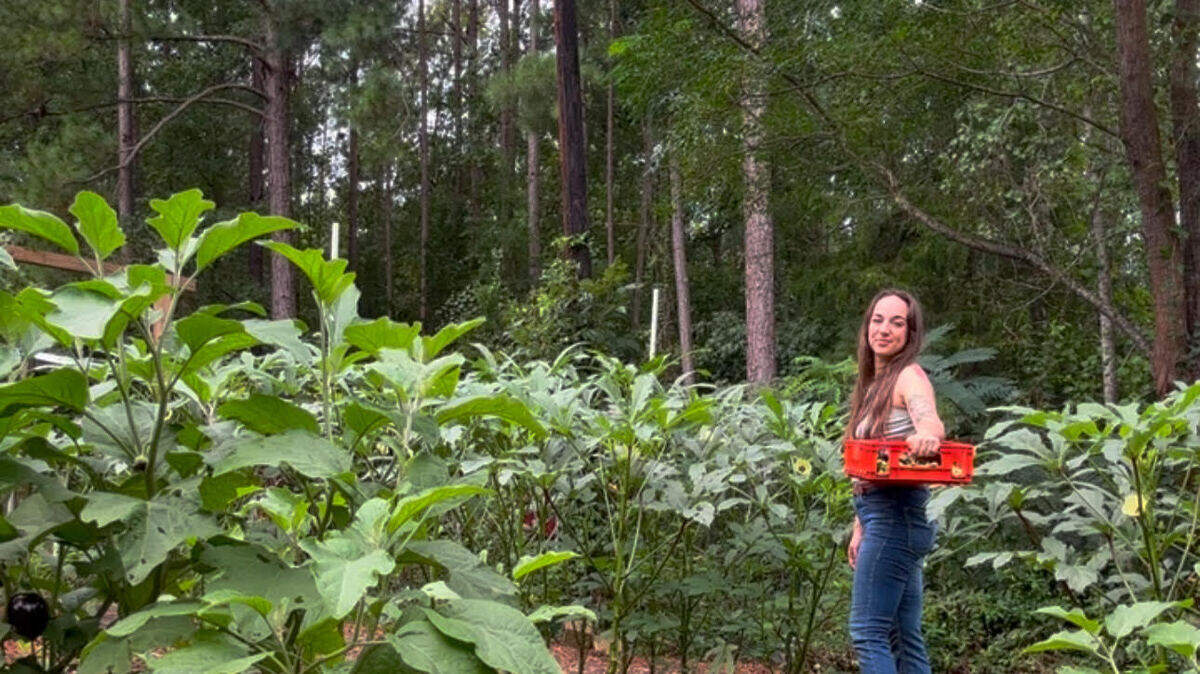
Amy Bates didn’t realize what had happened when she first noticed baseball sized chunks of black foam covering the specialty okra she planned to sell to Columbia-area restaurants.
Read more These Columbia-area elementary schools are among SC’s top performers. Who’s on the list?
But it didn’t take long to figure out. A mattress factory had caught fire some 10 miles away. Debris spewed into the sky from the conflagration, before the material settled on to the earth.
Now, Bates has quit selling to the local restaurants she depends on to support her family— and she’s seeking compensation from the company that owns the mattress factory. Bates filed a class action lawsuit Friday against Healthcare SC LLC/MLILY USA, saying the company failed to maintain the safeguards needed to avoid a fire.
Bates stopped sales this past week to Columbia eateries after she said officials with the Clemson University Extension Service and the S.C. Department of Agriculture told her it would be safer not to sell the products.
The concern is that the ashy material that settled on her crops contained chemicals and toxins. At Clemson’s urging, she began removing the debris from her fields, wearing protective gloves, the lawsuit says.
“ My whole life revolves around my children and my farm, and to be honest, I really don’t know what I’m going to do,’’ she said haltingly, her voice choked with despair. “This is my income. This is how I support my family.’’
An official with the plant’s owners said earlier Friday that the company was working on a statement about the fire, but she declined comment. The cause of the Aug. 16 fire has not been determined, but it apparently started when foam came in contact with a conveyor, records show.
Bates, 35, has three children, ages 4 to 9. Her husband also helps run the small farm where they grow special types of vegetables for restaurants. Among the plants the family produces are heirloom okra and egg plants, hot and sweet peppers, and beans.
Orders for those vegetables had to be canceled this past week as a precaution, she said. Vegetables are sold to some of the Columbia area’s more notable restaurants, including Motor Supply Co., Bourbon, Lula Drake Wine Parlor and di Vino Rosso, according to the lawsuit.
“We texted or called all of our chefs who supported our farms for years and had to cancel with them; we let them know what was going on,’’ she said. “We’re kind of on pause right now until we figure exactly what’s in this.’’
Read more ‘I’m doing this to honor Lindsey:’ 5 takeaways from Trump’s SC rally
The issue is of concern because materials inside the mattress plant included petroleum-derived liquid chemical ingredients. Polyurethane foam, like that produced at the mattress factory, can release toxic formaldehyde and volatile organic compounds, which also are hazardous, the suit says.
The Healthcare SC/MLILY factory is a 650,000 square foot facility that was refurbished in 2019 to employ some 250 people. It is Chinese owned, according to a 2019 news release announcing the plant was being modernized.
Despite what Bates said state agriculture officials had previously told her, a spokeswoman for the S.C. Department of Agriculture told The State late Friday afternoon that it has ‘’no indication that any smoke or residue from this fire caused any contamination to any crops.’’
Even so, the S.C. Department of Environmental Services will continue to monitor the situation, and the agriculture department is staying in touch with the environmental agency, spokeswoman Cristina Key said. The Department of Environmental Services said the Department of Agriculture has been communicating “directly with produce farmers.’’
According to the lawsuit, debris began “falling like snow’’ onto the Bates property beginning Tuesday, Aug. 18, and continuing through Friday, Aug. 21. She described the debris as large chunks of black foam the size of baseballs, as well as some fine particulate matter, which is also known as soot.
In addition to the ash falling on her crops, soaking rains washed some of the particulate matter into a creek bordering her property, the lawsuit says. Her suit says the accumulation of ash and debris was not authorized, creates a nuisance and unreasonably interferes with the use of the Bates land.
The lawsuit seeks class action status, meaning that other farmers and Fairfield residents could get compensated if the suit is successful. The suit is being handled by Columbia lawyers Dick Harpootlian, Chris Kenney and Will Lewis.
Bates said she hopes the problems can be resolved so she can concentrate on farming. For now, life is more complicated, she said.
“This has completely turned my life upside down,’’ Bates said. “I feel like I’m in a bad dream.’’
Read more For the first time, a woman will lead USC’s Board of Trustees