 By admin
A POD can make a Las Vegas move more flexible, especially when the timing between leaving one property and entering another does not line up perfectly. But moving a loaded container is different from simply carrying boxes from one room to another. Furniture has to be packed strategically, weight needs to be distributed sensibly, and the loading process should account for how everything will travel once the container is relocated.
Nevada Movers supports customers with local services that can make the physical side of a POD move more manageable. Before loading begins, however, a little preparation can prevent unnecessary delays and damage.
Start With the Destination in Mind
The first question is not what goes into the POD. It is where everything will eventually come out.
Think about the new property and the order in which belongings will be needed. Items that belong in bedrooms, for example, may need to be accessible before seasonal decorations or rarely used storage boxes.
This affects how the container should be loaded. Creating a rough unloading sequence beforehand can prevent a situation where half the POD has to be emptied just to reach one essential piece of furniture.
Inspect the POD Before Bringing Items Over
Before loading, check the container itself. Look for moisture, dirt, damaged surfaces, loose components, or anything that could interfere with the placement of your belongings.
The interior should be clean and reasonably dry. If protective materials are appropriate for the type of items being stored, have them ready before the first furniture piece enters the container.
Prepare a Loading Zone
Do not allow boxes and furniture to accumulate randomly around the POD. Establish a staging area nearby where items can be sorted by size, weight, and destination.
This creates a more controlled workflow. Heavy furniture can be prepared separately from fragile boxes, while items that need disassembly can be dealt with before loading becomes crowded.
Decide What Should Be Disassembled
Large furniture often consumes valuable container space when left fully assembled. Beds, tables, shelving units, and certain desks may be easier to protect and position after partial disassembly.
Keep all hardware in labeled bags and associate each bag with its corresponding item. Photographing complicated connections before taking furniture apart can also make reassembly easier.
Avoid disassembling pieces that are not designed for repeated assembly or that could be weakened by unnecessary removal of components.
Create a Weight Strategy
A POD should not become a collection of randomly stacked objects. Heavy items generally need a stable position, while lighter and fragile belongings should be protected from excessive pressure.
Build From Stable Items
Large furniture can provide a foundation for smaller pieces when loaded carefully. Keep weight distributed rather than creating one heavily concentrated area.
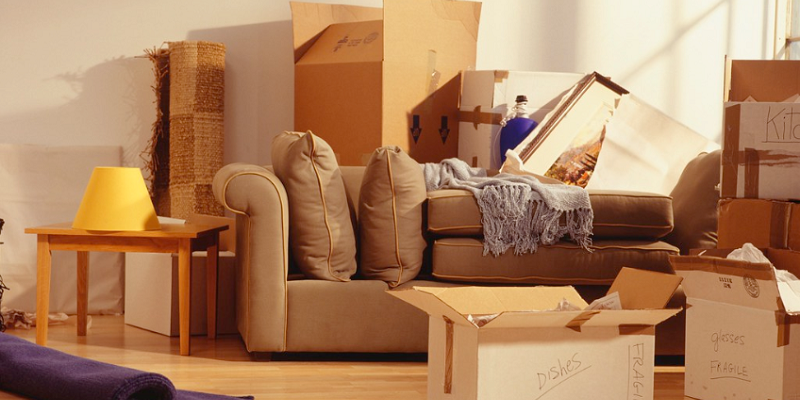
Boxes should be packed tightly enough to reduce movement but not so tightly that fragile objects are crushed. Soft items such as blankets or cushions can sometimes fill suitable gaps while providing additional separation.
The objective is to create a compact load that remains stable during transportation.
Protect Furniture Before It Enters the Container
Wrapping furniture after it is already inside a crowded POD is difficult. Prepare protective materials in advance.
Corners, finished surfaces, mirrors, glass components, and upholstered pieces deserve particular attention. Use appropriate padding and wrapping for each material, and avoid allowing sharp edges from one object to press directly against another.
Smaller boxes should also be sealed and labeled before loading. Once the POD becomes full, identifying unmarked containers can become surprisingly difficult.
Leave a Record of Where Things Went
A simple loading map can become extremely useful later. As each section of the POD is filled, record the approximate position of major items and important boxes.
For example, note whether a particular group of boxes is near the front, center, or rear. Take a few photographs before the container is completely closed.
This information can save time when unloading and makes it easier to plan which belongings should be removed first.
When Professional Loading Makes Sense
Some POD moves involve only a modest number of boxes, while others include heavy furniture and an entire household’s possessions. When lifting, carrying, or positioning bulky items becomes the difficult part, professional assistance can be worthwhile.
Nevada Movers can provide local services for customers who have their own POD or moving container and need help with loading or unloading. More information about the company and its moving options can be found at https://nevadamoverslv.com/.
Keep the Las Vegas Route in the Plan
Even when the POD itself is being transported by another provider, the timing of loading and relocation should be coordinated. Las Vegas properties can differ significantly in driveway access, parking conditions, building entrances, elevators, and available working space.
Confirm where the container can be positioned and make sure the loading area will remain accessible for the people handling the move.
A successful POD relocation is largely about preparation before the first box is lifted. With a clear loading sequence, sensible weight distribution, protected furniture, and an organized inventory, moving a container across Las Vegas becomes far easier to control.