 By admin
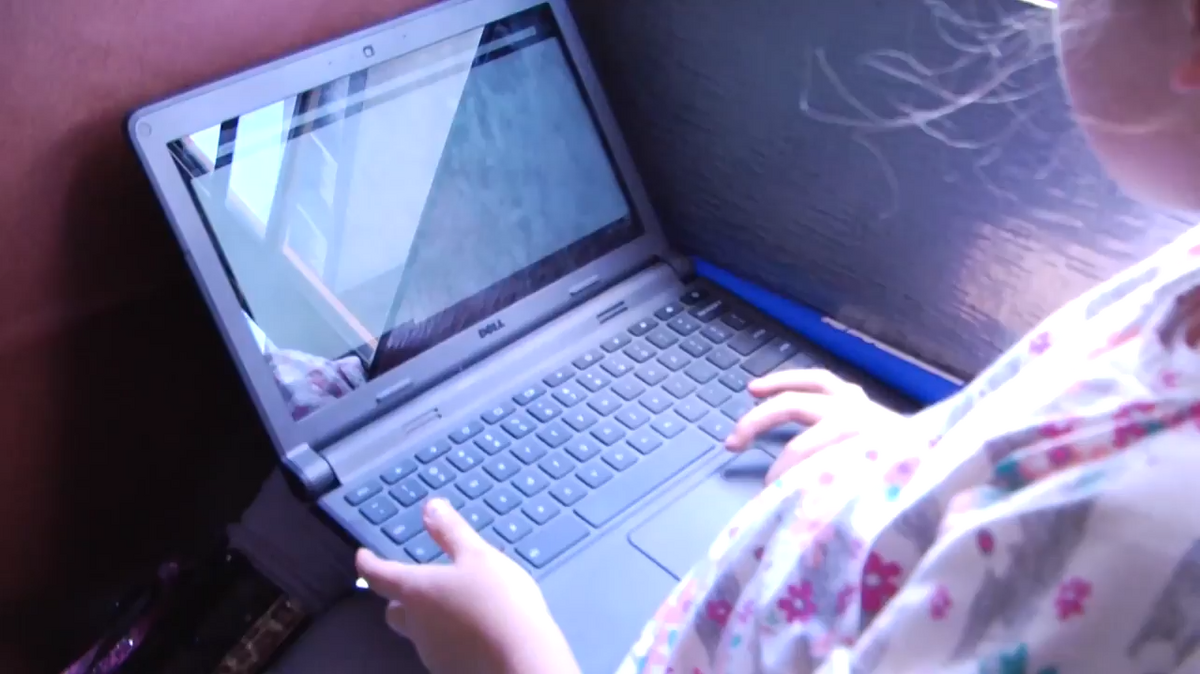
Technology has never been more integrated into how students learn in South Carolina classrooms. But is that always a good thing?
Read more Pregnant woman threw gun from car, ran to police. Her ex admits kidnapping her in Washington
In Lexington-Richland 5, the district issues Chromebooks for students to work on lessons, but parents have raised concerns about how much time their children are spending staring at screens, and the district is currently polling parents on their experiences with the technology ahead of potential policy changes. Meanwhile, the Chapin-Irmo area district has even rolled out an app that allows parents to monitor their child’s technology use and switch their device off.
The State asked candidates running for the Lexington-Richland 5 school board whether or what restrictions on classroom technology are needed.
Election Day for school board candidates will be from 7 a.m. to 7 p.m. Tuesday, Nov. 3. Early voting runs Monday through Saturday from Oct. 19 to Oct. 31. Two seats each will be filled from the Lexington and Richland County sides of the district in this election.
The Issue
Should there be limits on how much technology is used in the classroom, and at what age groups?
Kim Gilbert (Lexington)
Gilbert said her feelings about digital learning has been shaped by her own classroom experience as an educator.
“I have seen how distracting Chromebooks and other devices can be when they are used throughout the entire school day,” Gilbert said. “I believe technology should be used intentionally when it strengthens a lesson, such as for research, presentations, specialized programs, or other activities that truly benefit from the use of technology.”
But any restrictions should be guided by research. She points to her own daughter’s experience: she has epilepsy that requires her to limit her screen time, but with accommodations has majored in computer information systems.
“I have seen how technology can be life-changing for students who are nonverbal or who have difficulty communicating, holding a book, or using a pencil due to their disability,” she said. “My position is not to remove technology from classrooms, but to make sure it is used purposefully, appropriately, and in the best interests of each student.”
Beth LoPresti (Richland)
LoPresti pointed to guidance from the American Academy of Pediatrics that the purpose and quality of screen time matter more than the number of minutes a child spends on a device, especially for younger children.
Read more How much did Senate candidate Annie Andrews pay in taxes? Here’s what returns show
“I agree and support a grade-based, ‘screen-light’ approach,” LoPresti said. “In 5K through second grade, students would use shared classroom devices or computer labs for academic testing and computer literacy. From third grade through high school, students would have individual devices for creating presentations, research papers and, in later grades, managing their own schedules and communicating with teachers. At every level, screen time must tie to clear learning goals, not busy work.”
But she emphasized that “pen-to-paper work and bound books” are still the best way for students to learn to focus their attention and process information on any subject long-term. “Technology should support these foundations, never replace them,” she said.
Karena Phelps (Lexington)
Phelps responded by directing anyone interested in her position to her Facebook page and campaign website, which did not have a specific policy on classroom technology use listed on the issues page.
Michael Reeves (Richland)
Reeves said he supports more restrictions on technology use at the lower grade levels in elementary school.
“This allows for more actual teaching in the classroom,” he said. “The limitations can be gradually released with age.”
Jennifer Rice (Lexington)
Rice supports a technology policy “that treat screens as meaningful, interactive learning tools that avoid passive learning,” she said. “The American Academy of Pediatrics emphasizes high-quality media content alongside physical activity and reading, not screens in place of them.”
She said students between ages 6 and 8 need the most face-to-face interactions to develop and would benefit the most from limited screen time in the classroom.
“I would support real, age-based limits on educational screen time in elementary school, and digital citizenship training for all students,” Rice said.
Others
Candidates Blake Justice in Lexington County and Terence Rickenbacker in Richland County did not respond to The State before publication.
Read more NASCAR Hall of Famer diagnosed with CTE, first known case in racecar driver