 By admin
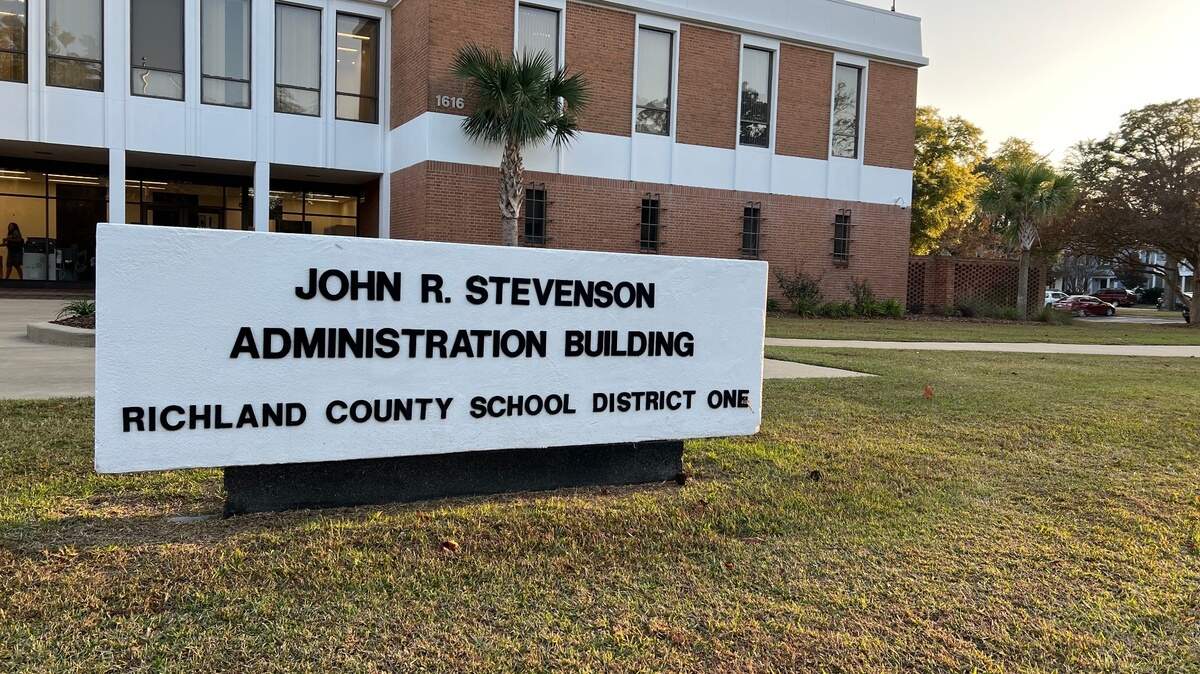
Technology has never been more integrated into how students learn in South Carolina classrooms. But is that always a good thing?
Read more Racist DMs to Miami football player lead Florida Bar to put employee on leave
The State asked candidates running for Richland 1 school board whether or what restrictions on classroom technology are needed.
Election Day for school board candidates will be from 7 a.m. to 7 p.m. Tuesday, Nov. 3. Early voting runs Monday through Saturday from Oct. 19 to Oct. 31.
In Richland 1, voters will be electing a candidate district-wide as well as three individual seats, including one special election after long-time member Jamie Devine stepped down to seek a seat on Richland County Council.
The Issue
Should there be limits on how much technology is used in the classroom, and at what age groups?
Districtwide
Tyrell Bates
Bates gave a one-sentence response opposing limitations to technology use in school lessons.
“No it should not be a limit to the technology the kids using the classroom,” Bates said in an email to The State.
Barbara Weston
Weston said that technology needs to be a support, not a replacement, for the development of students’ skills, and that any use or limitation should be geared towards that goal.
“Middle and high school students should be given adequate time to brainstorm, develop ideas, and create rough drafts before using technology to revise and improve their work,” Weston said. “For students in kindergarten through elementary school, screen time should be minimal and purposeful.”
“Technology in the lower grades should primarily support individualized instruction and differentiated learning to address students’ diverse academic needs. Consideration should also be given to limiting students’ ability to take school-issued computers home and establishing clear expectations that assignments reflect students’ own thinking and work rather than relying on AI to complete them.”
Districtwide school board candidate Brian Myers did not respond to The State before publication.
District 1
Artina McKnight-Coard
McKnight-Coard said any restrictions should be based on grade level. Younger students need more personal attention and room to develop their learning and social skills. As they move through the school system, they can make greater use of technology, with high school students exposed to “technology that prepares them for college, careers, and the real world.”
“We also cannot ignore the impact excessive screen time can have on students mental health, attention, and social development,” McKnight-Coard said. “I believe teachers should have the support and flexibility to use technology when it truly benefits their students.”
“My position is simple: Technology should be a tool in the classroom, not the teacher. We must find a healthy balance that prepares our children for the future while protecting the skills and personal connections they need today.”
Carlos Primus
Primus said he agrees with current levels of restriction in Richland 1, including a weekly limit on how much time elementary school students can spend on their devices.
Read more Who’s running for the House District 72 in Richland County.
“Any decisions further limiting technology accessibility should be made after consulting with teachers, administrators, and parents and based on any available data identifying the impact of technology screen time on student achievement,” he said.
District 2
Katherine Myers
Myers said that teachers need to be able to craft age-appropriate use for technology in the classroom while also ensuring students can learn without becoming dependent on it.
“I believe teachers and principals, working with district leadership, are best positioned to help develop responsible guidelines for how technology is used in the classroom because they see firsthand how students respond and learn,” Myers said. “The amount of time students spend using technology should be appropriate to their age, developmental needs, and individual learning needs, while the content they access should be educationally appropriate and safe.”
She said schools should also prepare students to manage their personal use of technology responsibly.
“We must also distinguish instructional technology from personal cell phones and social media, which can create distractions and expose students to additional safety and mental-health concerns,” Myers said. “We have to be comfortable with teaching students how to be responsible with technology just how we teach them to be responsible with driving a car, responsible with their bodies and responsible with the words that they use.”
District 2 candidates Steven Diaz and Nick Outen did not respond to The State before publication.
District 3
John Black
Black said he’s “not anti-technology,” but said its use needs to be age appropriate and intentional.
“Children need to learn how to read, write, communicate, think critically, interact with other students, and develop those foundational skills,” he said. “Those things can’t always be accomplished by putting a device in front of a child.”
“As students get older, technology can play a greater role in the classroom. We should be teaching students how to use technology, including artificial intelligence, responsibly and effectively because that’s the world they’re going to enter.”
“But I don’t believe every lesson needs a screen. We need to ask a simple question: Is this technology actually improving the student’s ability to learn, or are we using it simply because it’s available?”
Robert Lominack
Lominack said technology use should be specific to the courses or subjects being covered.
“I think it may be difficult to establish hard limits given how many variables there are,” he said. “Not all screen time is the same. Not all technology is the same.”
But he said the district has already made moves to ensure its technology is used responsibly.
“In Richland 1 this year, elementary and middle school students do not take their iPads or laptops home with them, for example,” he said. “Moreover, as a district, I know one of the challenges we are constantly confronting is to ensure that the technology does not distract students from their work.”
Read more Trump uses antisemitic slur to defend Marshall’s medical suits in Kansas rally