 By admin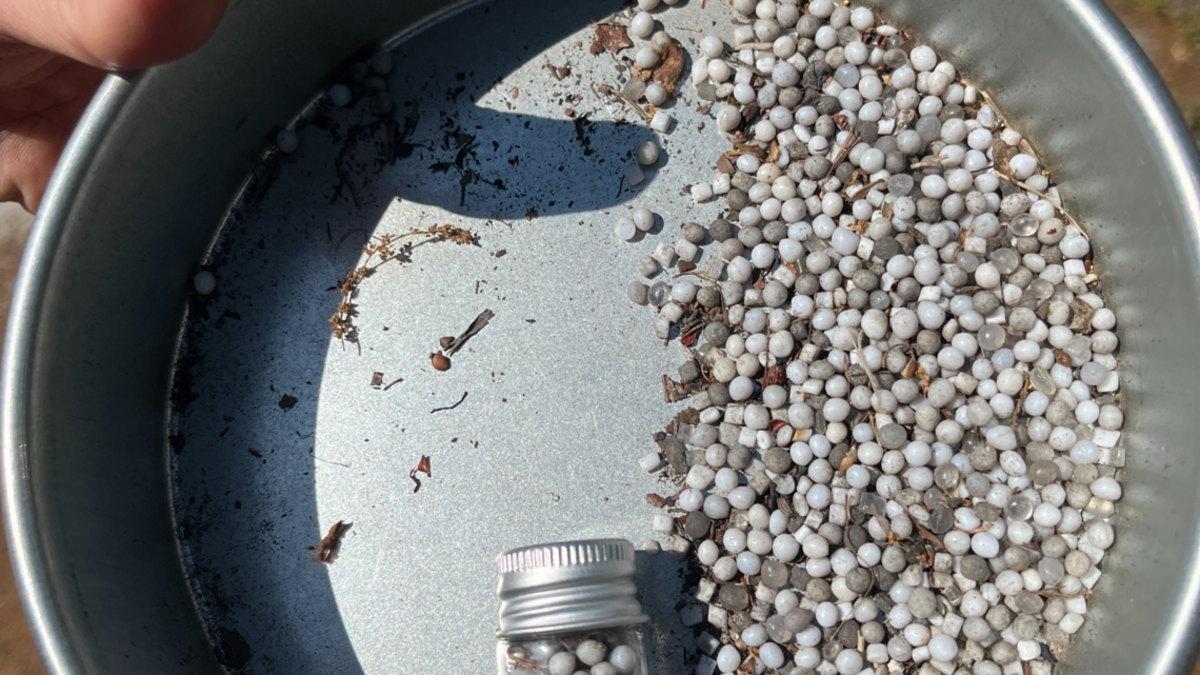
Look carefully along the banks of the Congaree River and you may notice clusters of tiny beads embedded in the mud.
Read more With negotiations at impasse, greens sue to stop plastic pollution in Congaree River
Those beads, commonly called nurdles, are polluting the river below Columbia, threatening wildlife and sparking concerns about potential toxic effects on water quality, environmentalists say.
On Thursday, June 18, a conservation group sued to stop discharges of pellets it says are coming from an industrial plant near Gaston. The Alpek Polyester plant has been releasing nurdles for years upstream from Congaree National Park, according to the Congaree Riverkeeper organization.
Named in the lawsuit are Alpek and the Eastman Chemical Co., which formerly ran the plant and still maintains production lines there.
“The idea that we have a chemical plant littering plastics in the Congaree River (near) the only national park in South Carolina, it’s just unacceptable,” said Carl Brzorad, an attorney with the Southern Environmental Law Center, which is representing the riverkeeper group. “We filed our case today to ensure that Alpek and Eastman end their years of pollution and clean up their mess.”
Representatives of Alpek and Eastman Chemical were not immediately available, but Eastman had previously said it was trying to resolve the riverkeeper’s concerns.
The suit says releases of nurdles have hurt people’s enjoyment of the Congaree River, noting that one riverkeeper organization member who owns 1,800 acres across from the national park “has observed plastic pellets littering the sand bar he has used since childhood.’’ It goes on to say the property owner has “significant concerns about how microplastics’’ and other pollutants from the plant will affect water quality and fish.
In addition to addressing the release of plastic pellets into the river, the suit seeks to stop what it says are illegal discharges of a toxic chemical, known as 1,4 dioxane, as well as substances that are sucking up oxygen from the Congaree River.
The suit was brought under two federal laws that allow citizens to take legal action when environmental laws aren’t being enforced. The Congaree Riverkeeper’s action follows a formal legal notice last year saying the group would sue to stop pellet pollution from the Alpek Polyester plant near Gaston – if the company did not stop the flow.
With negotiations to resolve the problem at an impasse, the Riverkeeper group followed through on that threat.
Read more Jerk Hut shooting suspect named by Richland County Sheriff
At least 10,000 of the beads, commonly called nurdles, have been found in the Congaree in and around the Alpek plant, as well as some 26 miles downstream at Congaree National Park, according to the Congaree Riverkeeper group.
The beads are toxic to fish that eat them, clogging gills and potentially making the animals sick. They also are a threat to water quality as they break down into toxic microplastics, tiny flecks of plastic that are an emerging area of concern. Conservationists say the 10,000 beads they’ve found are likely only a fraction of the nurdle pollution in the Congaree.
The Congaree Riverkeeper’s efforts in Columbia follow similar legal action in the Lowcountry, where the Charleston Waterkeeper filed formal notice last month that it would sue the state Ports Authority and several major businesses if they did not stop the flow of microplastics to Charleston Harbor.
In the Charleston case, the Waterkeeper organization is taking on companies that spill nurdles in and around the port as the plastic is put onto ships, while the Columbia area case involves direct discharges from a nurdle manufacturer, according to the Southern Environmental Law Center, which represents both groups.
“At every stage, we are seeing spills and discharges and pollution,’’ Brzorad said in an interview. “None of it is necessary and all of it is illegal. This really hammers home the need for controls at every stage.’’
The Alpek Polyester plant, formerly known as DAK Americas, was once operated by the Eastman company, which still has two production lines at the plant. Alpek manufactures material known as PTA and PET resins that are used in a variety of manufactured products.
Alpek is a global corporation that operates in nine countries, employing some 3,200 people, according to its website. It is a large employer in the Gaston area
Eastman Chemical is a major corporation that, among other things, breaks down waste plastics so the material can be used again, according to the company’s website.
Read more A new business has opened in Swansea. Check out where and what they offer