 By admin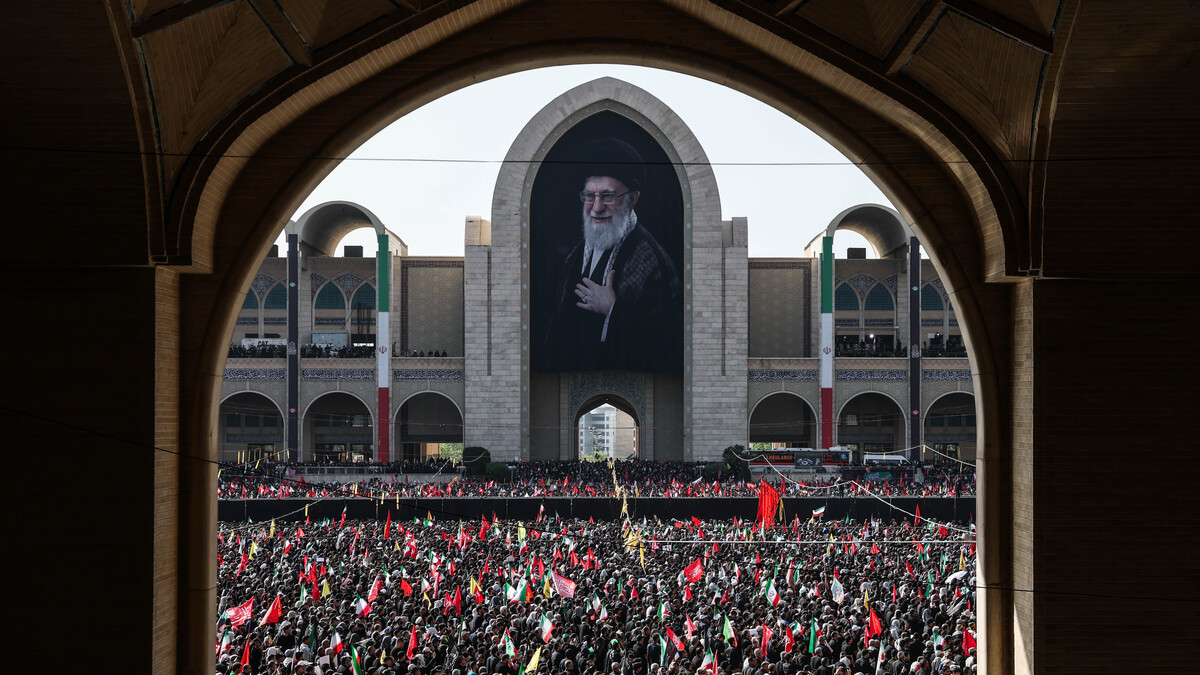
As Iran begins dayslong funeral ceremonies for Supreme Leader Ayatollah Ali Khamenei, the event has become a focal point not only for mourning but also for tensions involving Tehran, Washington and Israel. President Donald Trump has commented publicly on the funeral in a major holiday speech and a reported interview, while Iranian officials have issued warnings against any military action during the commemorations and announced heightened security measures around the events.
Read more Ukraine’s Zelenskiy says he spoke to Trump, calls for ‘American resolve’ to help end war
With U.S.-Iran talks expected to resume after the funeral concludes, statements from both sides are drawing new attention to whether the mourning period could shape the next phase of negotiations following the formal peace deal that was signed last month.
Trump Says U.S. Gave Iran ‘Week Off’ for Khamenei Funeral
Khamenei was killed in airstrikes at the start of the U.S.-Israel conflict with Iran on February 28 and Iranian authorities have scheduled funeral ceremonies from July 4 through July 9. The commemorations are expected to draw foreign delegations and millions of mourners, making them among the largest public events in the Islamic Republic since the death of Ayatollah Ruhollah Khomeini in 1989. Iranian authorities delayed funeral ceremonies for months because of the conflict and security concerns.
Trump addressed the funeral during an America 250 celebration at Mount Rushmore in South Dakota on Friday night.
While discussing Iran and recent hostilities, Trump told the crowd: “We knocked the hell out of Iran. They’re dying to settle. They want to settle so badly. We gave them a week off for a funeral because we’re nice.”
Trump’s Remarks on Leaders Attending the Funeral
Trump’s most striking comments about the funeral emerged the following day.
According to Axios, Trump discussed the concentration of senior Iranian officials and dignitaries attending the ceremonies and said: “They are all there. One shot [and we can take them all out], but we are not going to do that because then we would have nobody to negotiate with.”
The comments drew attention because they appeared to acknowledge the extraordinary gathering of Iran’s political leadership and the administration’s preference to preserve the possibility of future negotiations.
The remarks came against the backdrop of public concerns in Iran that the funeral could itself become a target and as Washington and Tehran weigh the possibility of resuming talks after the mourning period concludes.
Iran Warns U.S. and Israel Ahead of Funeral Processions
Iranian officials have repeatedly warned the U.S. and Israel against any military action during the funeral period.
On July 2, Ali Abdollahi, commander of Iran’s Khatam al-Anbiya Central Headquarters, warned Washington and Jerusalem against what he called any “miscalculation” as Iran prepared for the funeral processions.
Read more Weather alert issued for Newberry County early Saturday evening – gusts to hit 55 mph
“We warn the enemies of Iran, especially the U.S. and the Zionist regime (Israel), to avoid any miscalculation and to think about the harsh retaliation our armed forces would make to any threat and aggression against our country,” Abdollahi said, according to Iranian state media.
Iranian Foreign Minister Abbas Aragchi issued a similar warning on July 1 after Israeli Defense Minister Israel Katz reportedly said Mojtaba Khamenei, Iran’s current supreme leader, was “marked for death.”
The warnings came as Iranian authorities announced heightened security measures and temporary airspace restrictions over several cities, including Tehran and Mashhad, where key funeral ceremonies are scheduled to take place.
Who Is Attending Ayatollah Ali Khamenei’s Funeral?
Iranian officials say representatives from more than 70 countries have arrived for the funeral ceremonies, while millions of mourners are expected to participate over several days. The funeral began in Tehran and is expected to conclude with Khamenei’s burial in Mashhad on July 9.
The gathering has taken on significance beyond a national mourning event. For Tehran, it offers an opportunity to display strength and unity following months of conflict. For Washington, the ceremonies have become a backdrop for questions about whether diplomacy can continue after the death of the leader who shaped Iran’s political and religious system for more than three decades.
The scale of the ceremonies has also drawn international attention because senior political, military and diplomatic figures are expected to attend, creating a rare concentration of Iran’s ruling establishment at a time when tensions with the United States and Israel remain high.
What Happens After Khamenei’s Funeral Ends?
Funeral ceremonies are scheduled to continue throughout the coming days, with additional events planned in Tehran, Qom and Mashhad.
Diplomatic talks between the United States and Iran are expected to resume after the commemorations conclude, though no final agreement has been announced.
For now, the funeral has become an unusual convergence of mourning, military deterrence and diplomacy-prompting public comments from both Iranian officials and Trump as the two sides navigate what could be the next phase of their relationship.
Read more Death toll from Venezuela quakes rises to 2,954
2026 NEWSWEEK DIGITAL LLC.