 By admin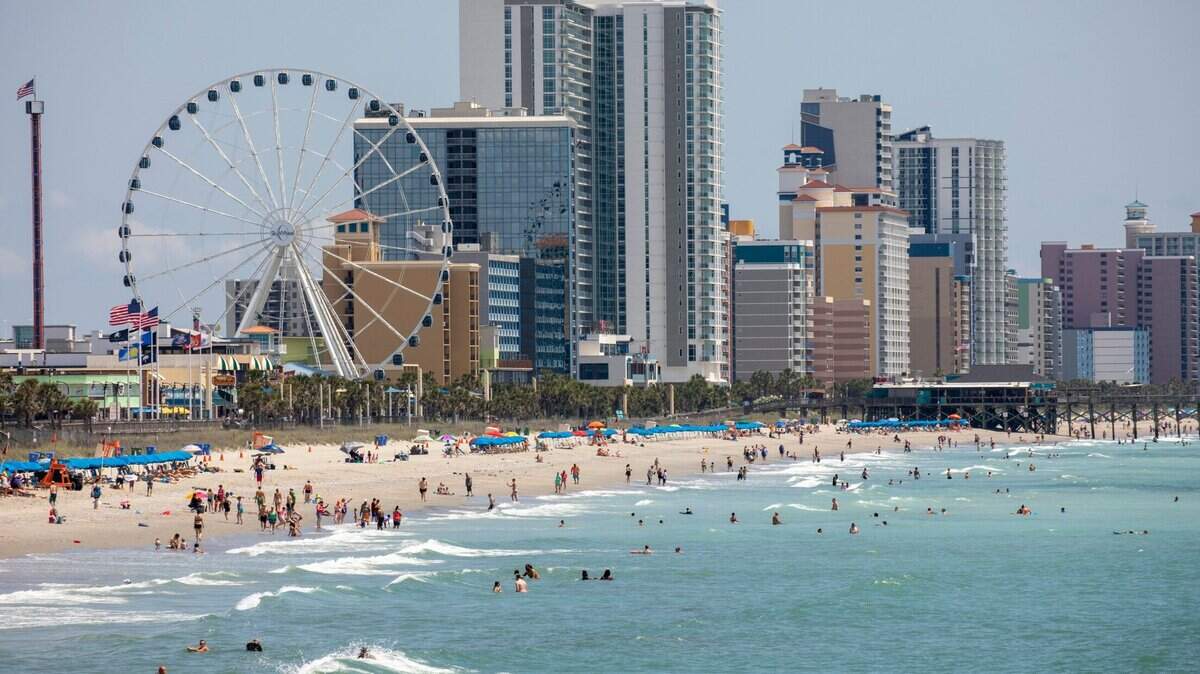
Myrtle Beach attracts millions of visitors every year, but how “dangerous” is the coastal city?
Read more Some of the best ways to rid SC gardens of pests using everyday home ingredients
Vegas Insider, a sports betting analysis brand, analyzed 42 of the country’s most visited summer destinations by hazard risk across four categories: shark attacks, jellyfish, lightning and heat illness. Myrtle Beach landed at No. 14 overall.
Of the four categories, Myrtle Beach ranked highest for shark attacks, coming in at No. 2 across the 42 destinations.
But don’t take the bait. The greatest risk for visitors is actually getting sick from the heat, not from the sea creatures.
According to the analysis, South Carolina has 118 recorded shark attacks, the third-highest ranking state nationally. The high swimmer density and warm shallow water in Myrtle Beach increases exposure. Visitors are 1.7 times more likely to experience a shark bite in Myrtle Beach than the average popular summer destination, according to the report. However, there is only a 0.00014% chance during a two-week trip.
Myrtle Beach comes in at 12th for jellyfish, with a 0.3% chance of a sting during a two-week trip. Portuguese Man o’ Wars, although not technically jellyfish, often wash up along the Grand Strand and can pack an extremely powerful punch when touched.
Read more Road linking major Columbia thoroughfares targeted for repair after years of inaction
South Carolina beaches are hot during the summer, and Myrtle Beach ranks 17th with a 1.9% risk of heat illness during a two-week trip. Myrtle Beach has seen over 11 heat advisories this year and at least two extreme heat warnings. Exposure to heat for long periods without hydration or access to air conditioning leads to a higher chance of heat illness.
While pop-up thunderstorms are common along South Carolina’s coast during the summer, Myrtle Beach ranks 23rd for risk of being struck by lightning, with a 0.00672% risk during a two-week trip. South Carolina recorded 306 injuries and deaths from lightning between 1959 and 1994, and 12 fatalities from lightning between 2006 and 2021.
Hilton Head Island, another popular summer destination in South Carolina, ranked 16th overall across the four categories, including No. 9 for shark attacks.
The destinations were chosen based on National Park Service attendance data and coastal visitor volumes, according to Vegas Insider. The analysis was determined by information from the Centers for Disease Control, National Oceanic and Atmospheric Administration and data documented by the International Shark Attack File.
Read more Dangerous heat and damaging winds in weather forecast for the Columbia area
The top 10 “dangerous” summer destinations rank as follows:
- New Smyrna Beach, Florida
- Florida Keys, Florida
- Miami Beach, Florida
- Clearwater Beach, Florida
- Grand Canyon, Arizona
- Sedona, Arizona
- Phoenix/Scottsdale, Arizona
- Lake Powell, Arizona
- Zion/Bryce Canyon, Utah
- Galveston, Texas