 By admin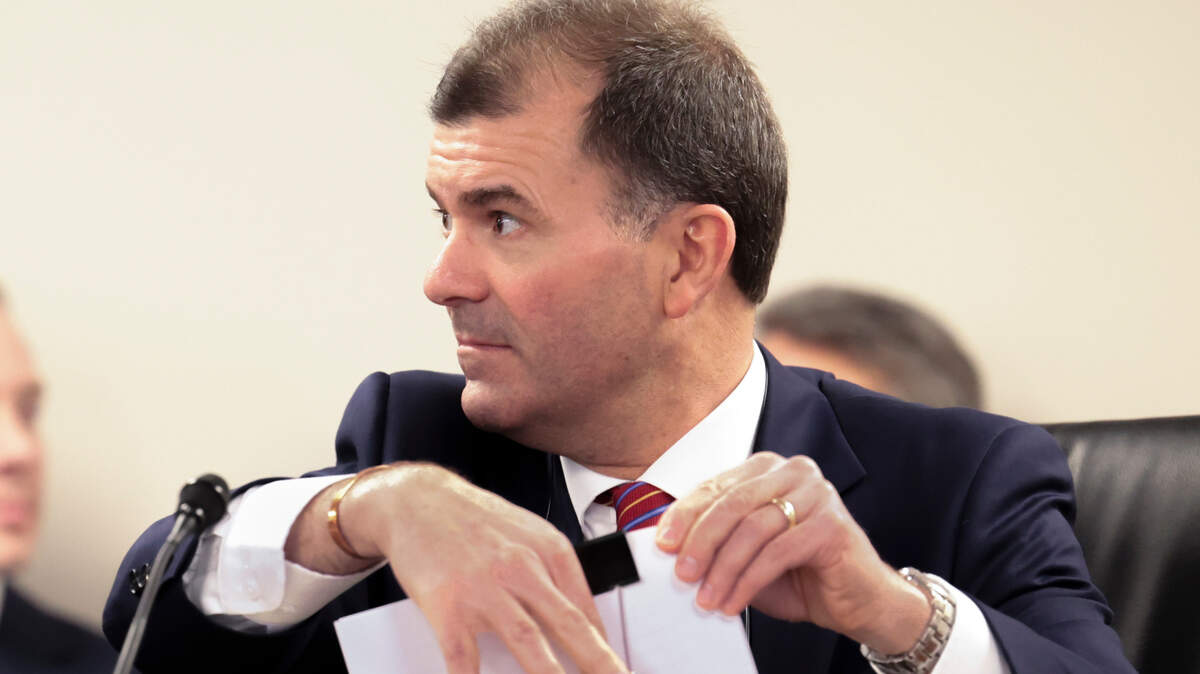
As concern about the risks of artificial intelligence grows nationally, some in South Carolina are echoing the necessity of responsible development — though efforts to regulate it in the state are slow moving.
Read more The best grocery store is in SC, USA TODAY says. See which stores are favorites
State Rep. Brandon Guffey, R-York, said the state government has a responsibility to protect its residents from artificial intelligence without overregulating.
“We have a role to protect citizens first and foremost, and right now, we’re seeing harms,” Guffey said in an interview Wednesday. He has pushed for legislation aimed at curtailing harm from social media on children.
Few bills focused on artificial intelligence became law in recent years and senators tasked with researching the technology have a late 2028 deadline to develop recommendations for how the state government will use it. A House committee formed in 2023 hasn’t led to many laws regulating the technology yet, though state lawmakers passed a bill banning the production or distribution of AI-generated child pornography.
A Senate panel met for the first time Wednesday to learn more about artificial intelligence. Their research will take months, chairman state Sen. Tom Young, R-Aiken, said. Senators will research artificial intelligence and develop recommendations by September 2028.
“That gives us the opportunity to conduct a serious, comprehensive review. Hear from experts, stakeholders, educators, business leaders, public servants and common everyday citizens, and ultimately provide recommendations that will serve South Carolina well for years to come,” Young said.
The committee starts as concern for the rapid development of artificial intelligence grows nationally.
Anthropic co-founder Dario Amodei called for a slowdown on developing artificial intelligence technology earlier this month. Several other AI leaders, including xAI CEO Elon Musk and OpenAI CEO Sam Altman, agreed.
It prompted some Republican and Democratic members of Congress to push for guardrails on the technology, but President Donald Trump this week poured cold water on the idea of regulating.
“The only control or ‘guardrails’ that AI needs is a STRONG AND SMART (High IQ!) PRESIDENT, and the U.S.A. has that, in spades! “ Trump posted on social media Monday.
What’s next in SC?
The state Senate panel’s work will focus on understanding how artificial intelligence could be used in state government, including law enforcement and education, Young told reporters after the meeting. He didn’t think the eventual outcome included crafting rules for private companies using artificial intelligence
The senators aren’t intending to halt the use of artificial intelligence or curb innovation. Senate President Thomas Alexander, R-Oconee, asked the committee to “recommend best practices that promote responsible and secure use of these technologies,” Young said.
Read more Hand soap recalled in SC for possibly containing bacteria that can cause infections
Artificial intelligence is challenging to explain and governments have different definitions of the technology while regulating it, Bryant Walker Smith, an associate law professor at the University of South Carolina, told lawmakers. A Senate staff member said 33 states define artificial intelligence, but South Carolina is not one of them.
South Carolina hasn’t placed many guardrails on artificial intelligence and other states have gone further to regulate the technology. Several bills were proposed in the General Assembly this year, including rules for AI chatbots and the use of AI in health care, but none became law.
New House Majority Leader Micah Caskey, R-Lexington, said the House Regulations, Admin. Procedures, Artificial Intelligence and Cybersecurity Committee was formed to address artificial intelligence.
“AI is something that we’ve taken seriously and will continue to,” Caskey said Wednesday.
A voice mail left to the office of state Rep. Jeff Bradley, chairman of the House committee, requesting more information about how his panel would approach AI regulations in the future was not immediately returned.
Lawmakers want to stop AI harm
At Wednesday’s meeting, state Sen. Josh Kimbrell questioned whether artificial intelligence could be sentient In response, Smith likened AI to a toaster. When a toaster causes a house fire, the technology is improved, rather than blamed, he said.
Several senators said they wanted to help stop potential harm caused by AI.
“I think the crux of the matter and why our constituents in South Carolina care about this issue and are glad we’re doing this is that they want us to get involved before the toaster burns the house down,” said state Sen. Matt Leber, R-Charleston, said. “That’s the crux of the matter.”
Later, Smith said there should be national and international efforts to mitigate harm associated with artificial intelligence.
Homayoun Valafar, the director of the AI Institute of South Carolina at the University of South Carolina, recommended lawmakers focus on defining and creating rules for generative artificial intelligence. Generative AI creates new content, including writing or pictures. Examples include platforms like ChatGPT, Claude or Gemini.
The technology is already pervasive, Valafar said, and it’s not likely use will wind down. He is optimistic about artificial intelligence and thinks the state should embrace the technology.
Lawmakers should focus on regulating specific uses and sectors for artificial intelligence, rather than sweeping rules, Valafar said. For example, regulation for how AI is used in high schools is different from rules for the state’s labor department.
Read more SC has 3 of best 100 restaurants that define dining today, new ranking shows. Here’s where