 By admin
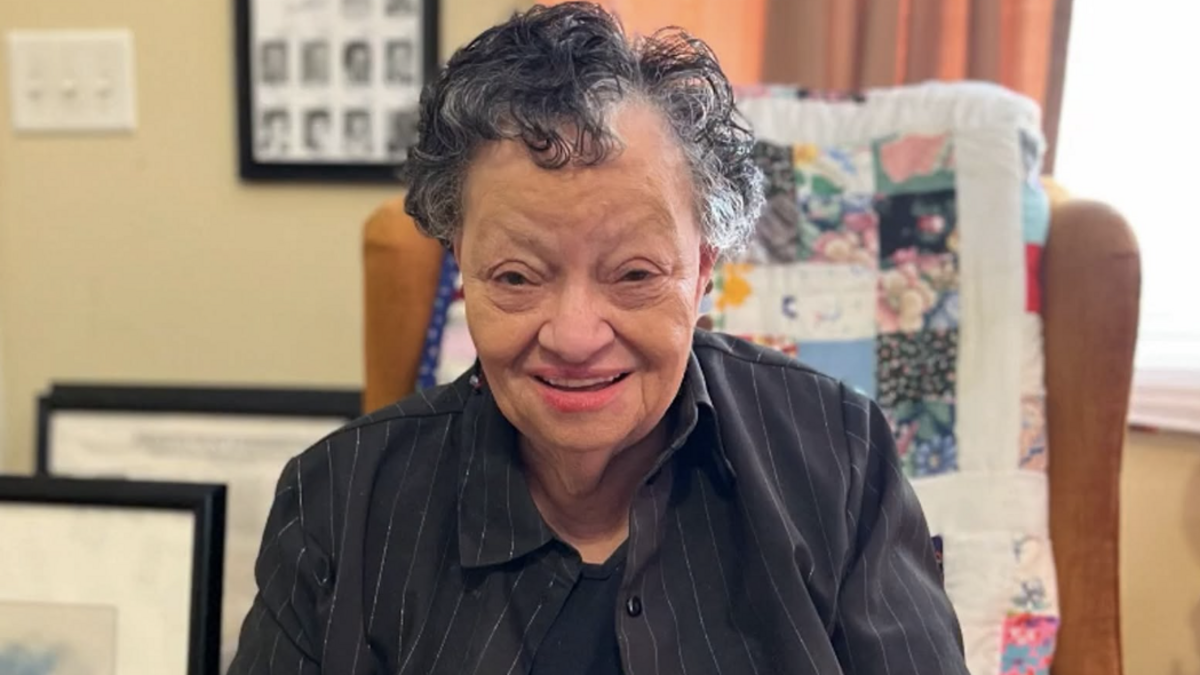
Ruth Ann Butler accomplished a lot during her 81 years in Greenville: educator, civil right activist, preservationist, author. The through line, though, was historian.
Read more ‘Homicidal in nature:’ Prosecutor describes Illinois officer accused of shooting his wife
Butler died Jan. 15, 2025, but her life’s work lives on in her surviving family members and the many, many people who worked with and knew her throughout South Carolina.
Now, her long-held dream is coming true.
Butler started a museum at 700 Arlington Avenue to honor the lives and accomplishments of Greenville’s Black residents. She called it the Greenville Cultural Exchange Center.
For a time, it housed the many artifacts Butler collected, including the history of Sterling High School, the school for Blacks during segregation, and the Greenville natives who went on to lead the Civil Rights movement, like Jesse Jackson and William Gibson, a dentist who led the NAACP for a decade.
After her death, builder and developer James Jordon purchased 700 Arlington Avenue and restored the crumbling building at his own cost, the City of Greenville said. The artifacts have been stored by the Urban League of the Upstate.
The City of Greenville appropriated the money to buy the house last week, using $579,500 from the State of South Carolina, $70,500 from the City of Greenville’s Local Accommodations Tax Fund and $200,000 from City Council District 2 and District 3 dividend funds.
“I could almost hear the collection saying, ‘We are homesick, we want to find our way back home,’” said Butler’s sister Luella.
Her brother Grady, a minister, said, “Ruth Ann Butler, my baby sister, gave so much of her life to this city. She had a passion for history and for helping people. She had a strong spirit that you could not break.”
Ruth Ann Butler’s family legacy
When she was a middle school teacher, Ruth Ann Butler asked her students to write about their families. She did the same and was able to trace her family history to a former plantation in Edgefield County, a feat historians found amazing.
“I walked the land where my family was slaves,” she told The Greenville News for a series on her family that was published in 2000. “And I thought about the stories I had heard. I thought about the struggles they went through. And I realized they were strong, they were survivors.”
The family’s history began with Simon Butler, who was from somewhere between the Gulf of Guinea and the Sahara, and enslaved by a Gen. William Butter. He was probably no older than 10.
He married Easter, whose mother was a Cherokee Indian and whose father was Black. They had 16 children.
The first official record of Simon and Easter’s existence is in a deed book dated 1870, Ruth Ann Butler told The News. The record showed Simon’s age as 72, Easter 65. One daughter, Margaret, 15, is listed as well; she was Ruth Ann Butler’s great-grandmother.
It is those types of stories of family and history that the new center will likely tell.
City officials recently announced it will work with stakeholders, neighborhood representatives, preservation advocates and cultural leaders to determine the center’s future. Beth Brotherton, spokesperson for the city, said the Butler family will be at the heart of the planning.
“The purchase creates an opportunity to build on previous conversations about establishing a permanent cultural museum and educational resource focused on Greenville’s African American history and heritage,” the city said in a news release announcing the purchase.
Read more ‘People were looking under their own beds’: A film revisits a 1955 hunt for gay men in Idaho