 By admin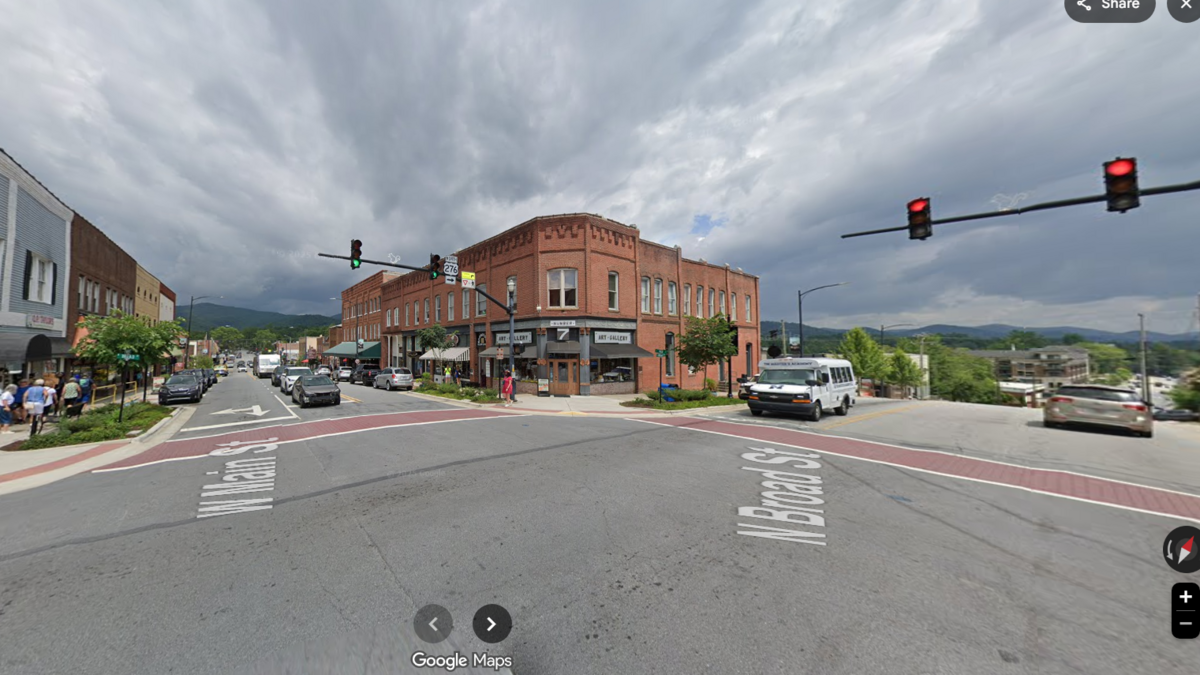
A rare earthquake was recorded early Wednesday near Brevard, North Carolina, a tourist destination known for its proximity to dozens of waterfalls.
Read more The oldest house in Georgetown SC is for sale, replete with history and ghost tales. Take a look
The 2.3 magnitude quake happened around 9:35 a.m. and was centered about 4.5 miles southeast of Brevard in Transylvania County. The U.S. Geological Survey says the source was about 6 miles below the surface.
Multiple people report they felt light shaking in Brevard, including some who said they heard “a very loud deep boom.”
“Sounded like distant thunder followed by 2-3 seconds of mild rolling (and) shaking,” Vicki Long Whilden wrote on Facebook.
“Shook our house and spooked our dog,” William Grimm posted.
“Sounded like a bomb,” Shauna Marie said.
Two dozen witness reports were filed with USGS, including one person who reported “weak” shaking 27 miles southeast in Cleveland, South Carolina, officials said. Witness reports can be filed with the USGS at: https://earthquake.usgs.gov/earthquakes/eventpage.
Earthquakes are uncommon in the Brevard area, with only one other quake documented in the past 26 years. That was a 2.1 magnitude in April 2023, records show.
The Rosman area, about 9 miles southwest of Brevard, has a more active history of earthquakes, with nearly two dozen minor earthquakes reported since 2000, records show.
Read more Leading up to 2026, SC had drop in voter registration. How many came off rolls?
Earthquakes of 2.5 magnitude or lower are typically not felt by humans. Once above 2.5, shaking becomes widespread and minor damage can occur, experts say. Significant damage to buildings and structures begins to happen when the magnitude tops 5.5, experts say.
The mountains of western North Carolina sit in the middle of the North American tectonic plate, according to the Center for Earthquake Research and Information at the University of Memphis. The Appalachian Mountains are remnants of ancient tectonic activity dating back hundreds of millions of years, and the area is “littered with many ancient faults that are no longer active,” the center says.
The region is considered stable, but the North American plate remains “under compression,” which can result in an ancient fault slipping on occasion, the center says.
What to do in an earthquake
Earthquakes’ sudden, rapid shaking can cause structural collapses and landslides.
If an earthquake strikes, it’s best to protect yourself right away. Here are tips from experts:
- If you’re in a car: Pull over and stop. Set your parking brake.
- If you’re in bed: Turn face-down and cover your head with a pillow.
- If you’re outdoors: Stay away from buildings. Don’t go inside.
- If you’re inside: Stay and don’t run outdoors. Stay away from doorways.
The best way to protect yourself during an earthquake is to drop, cover and hold on, officials say.
Read more Leading up to 2026, SC had drop in voter registration. How many came off rolls?