 By admin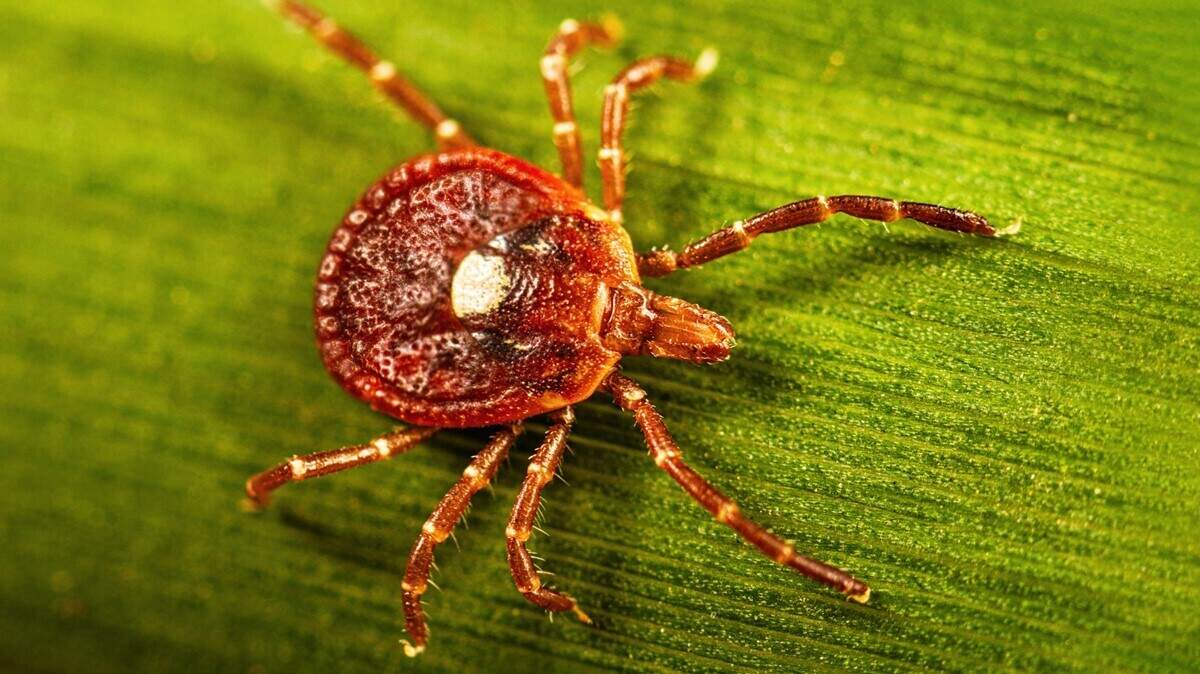
Insects and arachnids have always been burdensome to humans, and they have only gotten more annoying and dangerous in recent years, especially ticks.
Read more Baby Boomers to Gen Z, here’s who is moving to SC the most, new U-Haul report says
According to the Centers for Disease Control and Prevention, nine new germs spread by mosquitoes and ticks have been discovered since 2004.
The pesky little critters have also made headlines recently in several states, such as North Carolina and New York, where the rare and untreatable Bourbon virus was discovered in their tick populations.
To get a better understanding of the hazards ticks pose in South Carolina, The State talked with Dr. Melissa Nolan, an Associate Professor in the USC Department of Epidemiology and Biostatistics at the Arnold School of Public Health.
She leads the SC Tick Monitoring Program, collaborating with the SC Department of Public Health, USC and Clemson University to track tick species and their emerging disease risks.
Here’s everything we talked about, featuring key insights on a serious, potentially life-threatening tick-borne virus identified in the Palmetto State by her team.
A surge in hospital visits
Nationwide, there is an increasing number of people getting bitten by ticks. SC hasn’t escaped this trend.
“Over the last decade, we have seen a fivefold increase in the number of people coming in with tick bites as their chief complaint,” Nolan said. “For example, at Prisma Health, 10 years ago we had about 300 people coming in. Last year we had 1500 people.”
There are a couple of reasons for this, she said. First, more people are educated on the risks ticks pose to humans, so more people are going to the hospital to get checked out.
Increasing suburbanization in the Palmetto State is another factor likely leading to this major drive in hospital visits. More people are flowing into the state, creating opportunities for ticks and humans to cross paths.
How serious are tick bites?
With six ticks commonly found in SC, the Lone Star Tick being the most common, there are more than a dozen tick-borne illnesses to watch out for.
The majority of those illnesses, such as Lyme Disease and Rocky Mountain Spotted Fever, are bacterial and can be treated with antibiotics if diagnosed early. What’s more concerning is an emerging virus found in ticks in SC, as tested by Nolan and her team of researchers.
Heartland Virus is a rare tick-borne illness first found in Missouri in 2009, spread by the bite of a Lone Star Tick, and there have only been around 80 documented cases across the U.S.
Read more One teen charged & manhunt for another after deadly bus stop shooting, SC cops say
Symptoms can include fever, fatigue, decreased appetite, headache, nausea, diarrhea, and muscle or joint pain, and there is no vaccine to prevent it or medicine to treat the Heartland Virus. Like the Bourbon Virus, it is also found in Lone Star Ticks.
“The problem with these is that, unlike bacterial illnesses, there’s nothing we can give you,” Nolan said. “So if you come down with one of these, you can get very severely ill.”
There have been no confirmed cases of someone contracting the Heartland Virus in SC, but she said that it’s important to be educated on the dangers of ticks.
In collaboration with Prism Health, Nolan and her tick monitoring team have received funding from the National Institute of Health to expand their diagnostics.
Now they’re testing people coming into any of the Midlands area emergency rooms or family medicine clinics for Heartland and Bourbon viruses as well, to see if this is something that’s causing clinical disease.
Should outdoorsy people be concerned?
Ticks thrive in moist, shaded and wooded environments and will likely be near you if you take a walk in an area with dense vegetation. As long as you wear protective clothing, regularly check for ticks, and remove any you see with hot water, you’ll face little danger from the arachnids.
“This is not something for you to be hyper-concerned about. It’s more about education as power, and so knowing that right now is the peak season when we see a lot of adult ticks out.”
If you spot a tick on you or your pet and can capture it, you’re encouraged to send it to Dr. Nolan’s Tick Monitoring Program, so they can test for more dangerous tick-borne illnesses.
How to send ticks in for testing
The process to submit tick samples is simple. All you need to do is request a tick collection kit to be sent to your house or business from DHEC Medical Entomology, or you can send the dead ticks directly to their team.
To submit ticks, just follow these steps:
- Scrape or place tick(s) into in a sandwich bag or old pill vial
- Soak a cotton ball or cotton pad with 70% rubbing alcohol
- Squeeze excess alcohol from the cotton ball or cotton pad, and place it into bag or container
- Seal bag or place lid on the container
- Place bag or pill bottle into appropriate envelope and add the note with your contact information, what animal or if a person the tick was removed, and the location where the tick was collected
- Seal and mail
When sending the ticks, make sure to include your contact information, the address where the tick was collected, the date of collection, and the type of animal (or human) you found the tick on.
Send it to either:
- Laboratory of Vector-borne and Zoonotic Diseases, 915 Greene St. #327, Columbia, SC 29208
- SC Department of Health and Environmental Control ATTN: Medical Entomology (State Park Bldg 5) 2600 Bull Street Columbia, SC 29201
By sending ticks to the program, they can better understand tick species and their pathogen distribution.
Read more Edwards took ex-aide to Vegas during shutdown. Records tie trip to campaign money