 By admin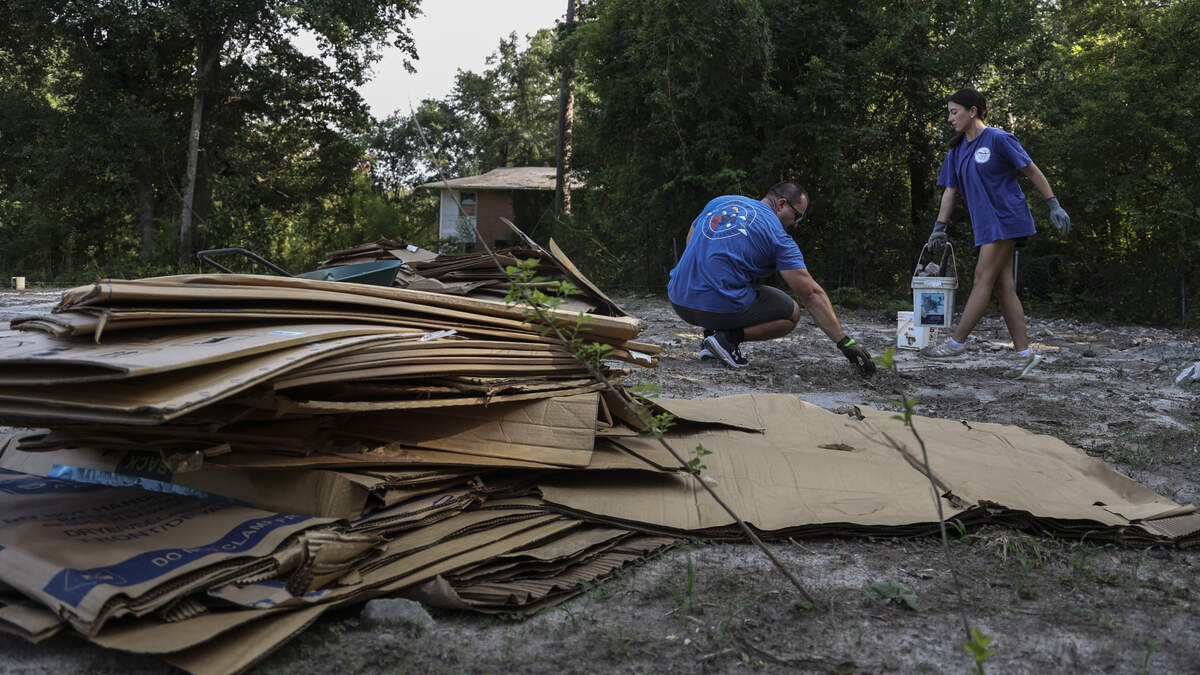
An awkward metal three once mounted to the front of a house lay belly-up in the rough dirt, a relic of the flood-ravaged home the Gills Creek Watershed Association demolished just a few months ago.
Read more Three dead following fatal collision amid police pursuit, SC troopers say
The house at 4230 Timberlane Dr., had been long abandoned, after more than 20 inches of rain submerged the area in water during the historic 2015 flood, causing residents on the street to have to paddle out of their homes to safety.
The Gills Creek Watershed Association is a local nonprofit that advocates for the Columbia watershed that stretches from Sesquicentennial State Park to the Congaree River. After a long, fraught effort to purchase the flood-damaged property, the local environmental group was successful earlier this year, buying the property for $37,000 and immediately getting to work demolishing it. By the end of June, the empty, decaying house was no more. Just rubble in a patch of dirt.
But Gills Creek’s volunteers won’t be rebuilding on the property. Instead, they’ll be giving it back to nature.
“We could build a house here, but we don’t want to do that,” said Gills Creek Watershed Association President Bailey Slice Parker. Instead, they want the land to bolster the natural environment by allowing new vegetation to thrive. That in turn will result in less flooding because the plants will absorb the water much better than a house built with impervious surfaces can, she said.
“We are turning this area into a sponge,” Parker said. “It’s going to absorb water, it’s not going to contribute to the flooding problem that we have.”
Eventually, the group would like to work with Richland County to acquire a stretch of property from private owners on this flood-prone stretch to build a park. The park would be more than greenspace, Parker said, noting that nearby, Blue Heron and egrets have made a home in the damp woods, and that they could use the site to teach about flood plains first-hand.
But before any of that can happen, the now-empty property must be prepared to host new plants and wildlife.

An urban floodplain
Volunteers spent a sticky Tuesday night shrouding the exposed dirt in a layer of cardboard panels, meant to smother any new stalks of invasive plants, and to protect the topsoil from erosion.
The task is called sheet mulching, and eventually the cardboard will be paired with woodchips, and together they will break down and prepare the soil to nurture a new generation of plant life.
The project has required a large amount of cardboard, which is laid out across the dirt and then covered during the sheet mulching process. Parker recently had to explain the project to neighbors who thought strangers were dumping garbage illegally on the site.
“We’re grateful to have neighbors who care,” she said with a laugh.
The now-empty parcel on Timberlane is also meant to serve as a lesson in what happens when homes and buildings have to co-exist with floodplains.
If the property eventually becomes a park, the Gills Creek group wants to build rain gardens and demonstration areas where residents can learn about floodplain plants and how they can help absorb stormwater.
The Timberlane Drive site sits in southeast Columbia, just south of downtown, in a largely residential area where homes and streets meet the low-lying Gills Creek floodplain.
Read more Where’s the best ice cream shop in Columbia? Vote for your favorite in our latest poll
“This is a big watershed … it’s all urban,” said Curtis Derrick, a Gills Creek Watershed Association member who was sweating under the late afternoon sun Tuesday to help lay cardboard over the bare dirt. “The average person doesn’t realize what an urban watershed leads to. They’ll build in a floodplain like this, and then you have a catastrophic event with houses literally filled up to the ceiling.”
A resource to help educate the public about smart development would help move that needle, Derrick said.
This is another side effect of the Gills Creek project, Parker said. “It’s not safe” to build a house here. Heavy rain can trap someone inside or block them from returning home, even if the house is elevated, she said. Since the home was abandoned, the property has changed hands five times without being successfully redeveloped.
“So, us purchasing this lot got it out of that cycle,” Parker said.
The project is being paid for with a grant from Dominion Energy, and Parker said the group will likely start a fundraising campaign soon to cover the rest of the costs.
A city swamp
Before it was Timberlane Drive, the low-lying former swampland was a lush wetland. The Congarees and Waterees lived and hunted along Gills Creek and its tributaries, and relied on the waterway for fish and fresh water.
Over time, plantation owners began purchasing large tracts of the watershed. They built mills and dams along Gills Creek. Later, about 200 acres of swamp were drained to make way for Camp Jackson. The landscape began to change.
But despite any man-made interventions, the land is still a swamp, and water still comes with every heavy rain.
Katie and Zach Farrell, who live up the street, stopped to watch the volunteers work Tuesday evening as they walked their dog past the property. The couple moved to the neighborhood in 2023 and have seen the flooding first-hand. They said work on the storm drains has since helped alleviate the problem, but water still pools on the road every time it storms.
“This road floods all the time, and we weren’t sure if they were allowed to build another house,” said Katie, pointing further up the street. “It hasn’t rained in days and it’s flooded right now.”
The Timberlane property isn’t the only one Parker has her eye on. The city of Columbia owns several other lots purchased after the 2015 flood that Parker said could be restored into greenspace in a similar way.
Giving the Timberlane property back to nature won’t stop the roadway from flooding, Parker said. But it’s one stitch in a larger tapestry.
“If we approach watershed restoration one bite at a time, utilizing these small lots and clicking them off one at a time, we can actually have a positive impact on localized flooding,” she said.
Read more Fewer people under 35 are buying homes in SC, new study shows. Here’s the breakdown