 By admin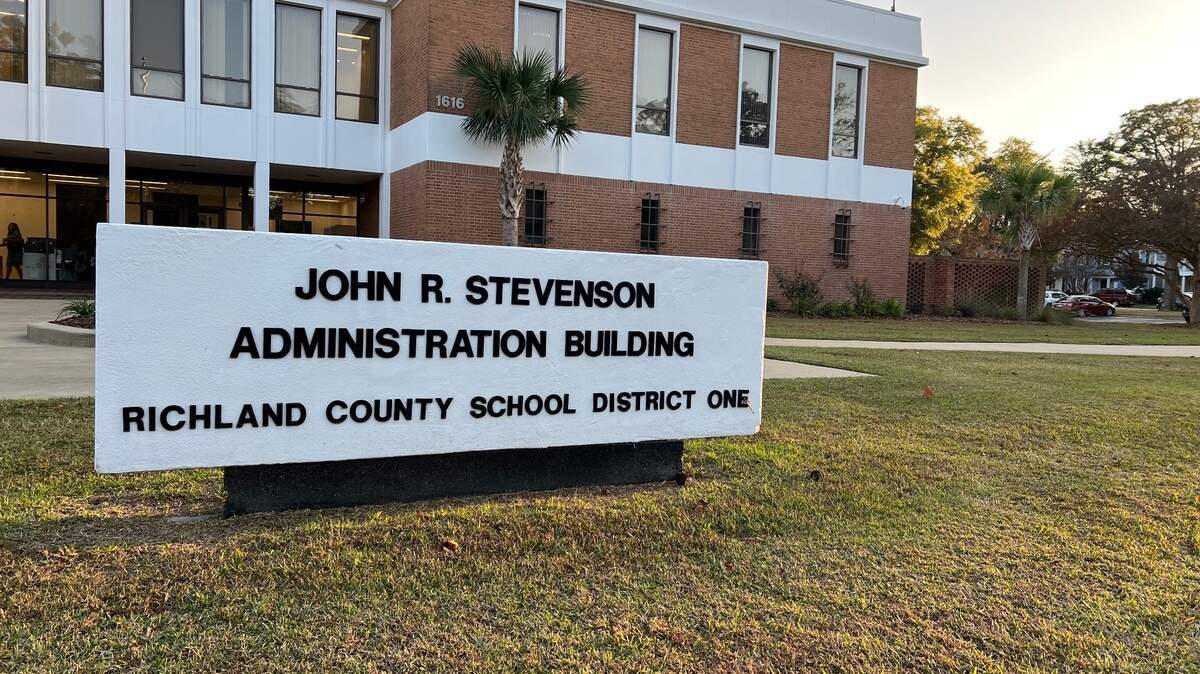
All school districts in South Carolina struggle with finding the right balance between the services district officials need to pay for, and the amount they are willing to collect from taxpayers.
Read more Hurricane Isaias: Life-threatening storm surge expected; what it means for U.S. Gulf Coast
But in the state’s capital city, concerns about the budget for local schools is particularly fraught. The Richland 1 school district was previously placed on a “fiscal watch” by the S.C. Department of Education for alleged misspending and had to undergo an audit following an investigation by the state inspector general’s office.
Richland 1 was given the financial all-clear by the state superintendent of education earlier this year, but questions remain. So The State asked the candidates for school board directly; will the district consider raising taxes to meet its needs? Or are cuts to other programs necessary to keep the district on course?
Election Day for school board candidates will be from 7 a.m. to 7 p.m. Tuesday, Nov. 3. Early voting runs Monday through Saturday from Oct. 19 to Oct. 31. In Richland 1, voters will be electing a candidate district-wide as well as three individual seats, including one special election after long-time member Jamie Devine stepped down to seek a seat on Richland County Council.
The Issue
How can Richland 1, which stretches from north of Columbia to Lower Richland, best manage the budget for more than 22,000 students while keeping the cost manageable for taxpayers?
Districtwide
Tyrell Bates
Bates had a succinct answer when asked by The State.
“No the district don’t need to raise taxes,” he said.
Brian Myers
Myers emphasized his background in business to call for sound financial management.
“As a businessman for more than 17 years, I understand the importance of maximizing every dollar and making investments based on priorities and measurable needs,” he said.
“Before asking taxpayers for additional revenue or making cuts that could affect students and classrooms, I believe we must carefully examine the budget, identify opportunities to reallocate resources, eliminate unnecessary spending, and repurpose positions where appropriate based on priority and need.”
Barbara Weston
Weston, the one incumbent running districtwide, said that the school district has been good stewards of its money and had avoided having to make tough choices so far.
“Richland One does not need to raise taxes in order to meet current needs,” Weston said. “As you will note, R1 did not ask County Council for additional money this year. We, in R1, are making better use of the money we have.”
District 1
Artina McKnight-Coard
McKnight-Coard said the district should avoid raising taxes if it can help it.
“We need to take a closer look at where our money is going and where we can make adjustments without taking away from our students and teachers,” McKnight-Coard said. “Our priority should be making sure the money we already have is being spent wisely before asking taxpayers for more.”
Carlos Primus
Primus said raising taxes in the district isn’t feasible with the current state of the economy.
“With regard to budget cuts, I believe the more responsible approach would be to review our budget and reallocate funds as necessary based on the district’s needs,” Primus said.
District 2 special election
Steven Diaz
Diaz would prioritize protecting the district’s instructional budget, and filling around 150 classroom vacancies. Those positions are already budgeted for, and improvements in the classroom could boost enrollment as parents choose their local Richland 1 public school over other alternatives — and bring state per pupil funding with them.
“People are starting to see the progress we’re making with our new board and our new superintendent,” Diaz said. “As more people hear about it, confidence goes up. Families come back, teachers come back, and those vacancies start to fill.”
Read more Fact Check: Where Richland 2 candidates stand on budget, taxes
Addressing the district’s aging infrastructure would likely require the district’s first bond referendum in 20 years.
“But a bond isn’t the board’s call,” he said. “It’s the voters’ call. If one ever comes forward, homeowners and businesses should see exactly what it costs and exactly what it builds before anybody votes.”
Current state law limits how the school district can raise revenue, he said, so the best solution is to focus on other areas.
“Homeowners don’t pay [taxes] on their primary home,” he said. “Businesses, rental property and vehicles do, and businesses pass that cost right back to all of us. So my position is simple. No [tax] increase until we’ve right-sized, cleaned up our contracts and shown people where every dollar goes.”
Katherine Myers
Myers said the school district should allocate its resources to measures with a “high rate of return,” “such as retaining high-quality teachers and equipping students with the tools they need to meet and exceed expectations on standardized tests.”
“A careful assessment must be made of new and current spending,” Myers said. “While taxpayers may have to bear some burden of providing funds towards our public education system, there are also other means to assist schools,” such as parental-teacher associations and booster clubs that can bring in additional revenues.
Nick Outen
Outen said Richland 1 needs to maximize every dollar it receives before it asks taxpayers for more money.
“I would want to see a clear accounting of where the money is going, what programs are producing results, and where there are opportunities to reduce administrative costs, eliminate duplication and redirect resources toward our classrooms and students,” he said.
But he said any cuts to the current budget likewise need to be justified, so that the district can retain teachers and provide students with the services they need.
“We have to be willing to have an honest conversation about how those needs are funded,” Outen said. “My approach would be simple: protect the classroom, demand accountability, find efficiencies first, and be completely transparent with taxpayers before asking them for another dollar.”
District 3
John Black
Black said he wants to see a “comprehensive review” of how the district handles administrative overhead, outside contracts and “programs that are not producing measurable results,” before Richland 1 considers raising taxes, he said.
“The district should also evaluate whether resources are being distributed based on actual student enrollment and needs,” he said, with any savings directed toward the classroom. “I would also expect the district to pursue every available state and federal funding opportunity before turning to local taxpayers.”
Robert Lominack
Lominack, the incumbent in the seat, said the district is taking the steps now to avoid the need for either tax increases or budget cuts.
“At our work session last school year, the Board and the Superintendent agreed that we need to engage in a substantive review of all of our programs to ensure that we are spending money on programs that are effective and that align with our goals,” Lominack said. “The Board will work with the Superintendent to ensure that our budget is aligned with the new strategic plan once that plan is finalized.”
Read more Thursday updates: Hurricane Isaias intensifies, ‘dangerous’ landfall expected